How to Turn Fade Quilt into a Patchwork Dress
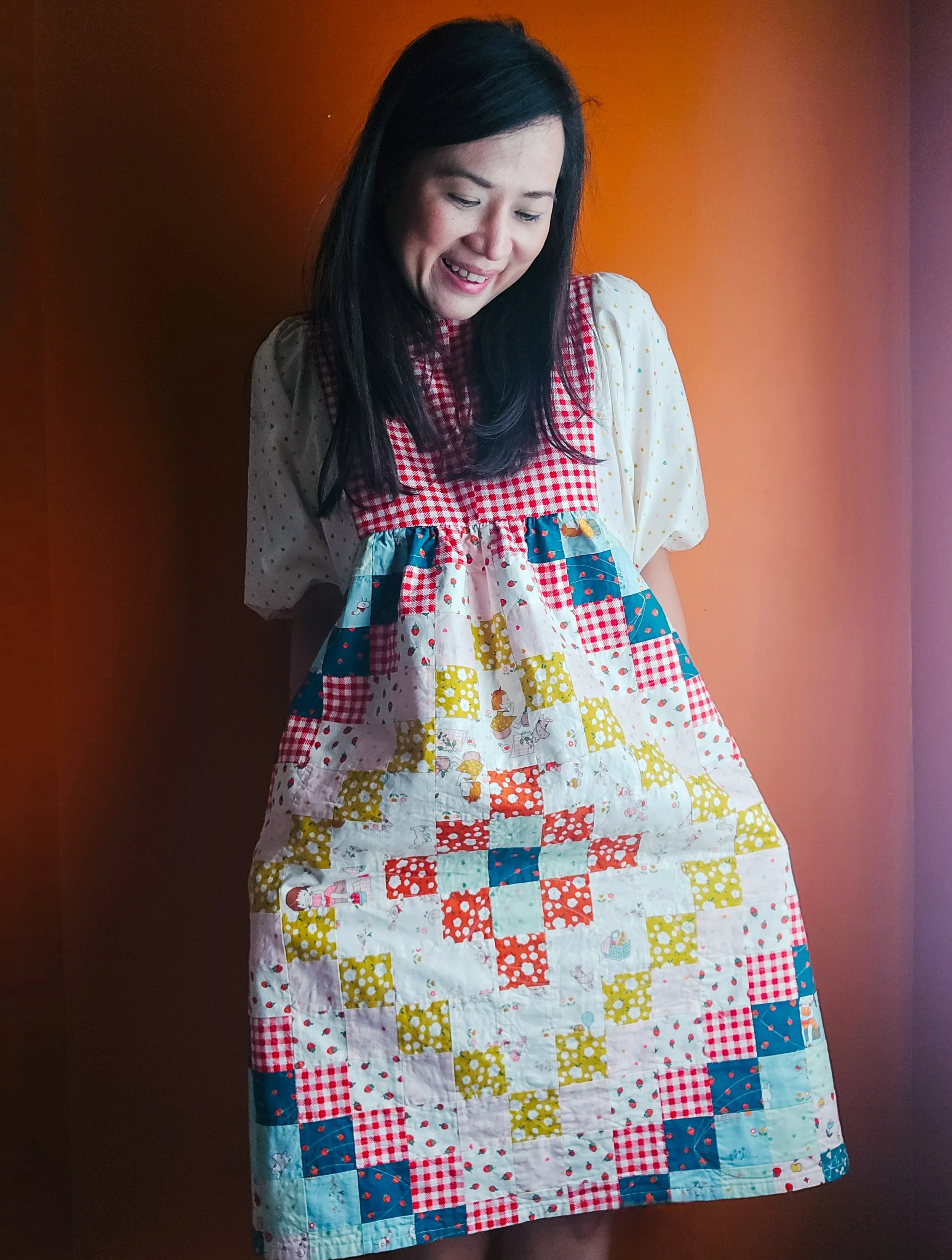
This patchwork dress came from one of my favorite kinds of questions: what else can this pattern become?
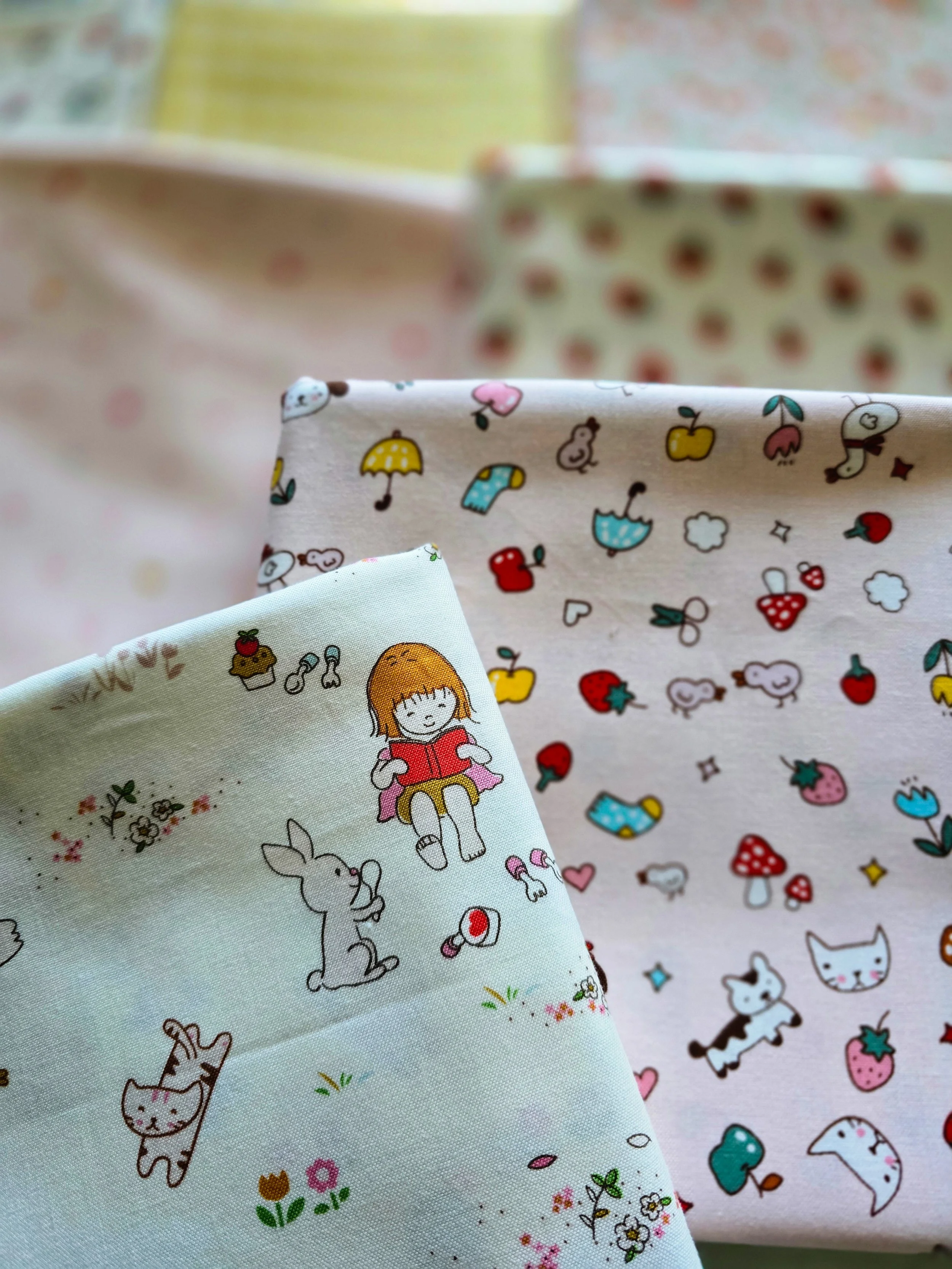
The Fade Quilt has always felt very fluid to me. It is soft, gradual, and all about movement. While sewing with the Serendipity 2 collection by Minki Kim for Riley Blake Designs, I kept thinking about how beautiful that fade could look in a garment. Something wearable, gentle, and full of motion.
Instead of starting with a dress pattern and adding patchwork, I went the other way around. I started with the Fade Quilt and scaled it down.
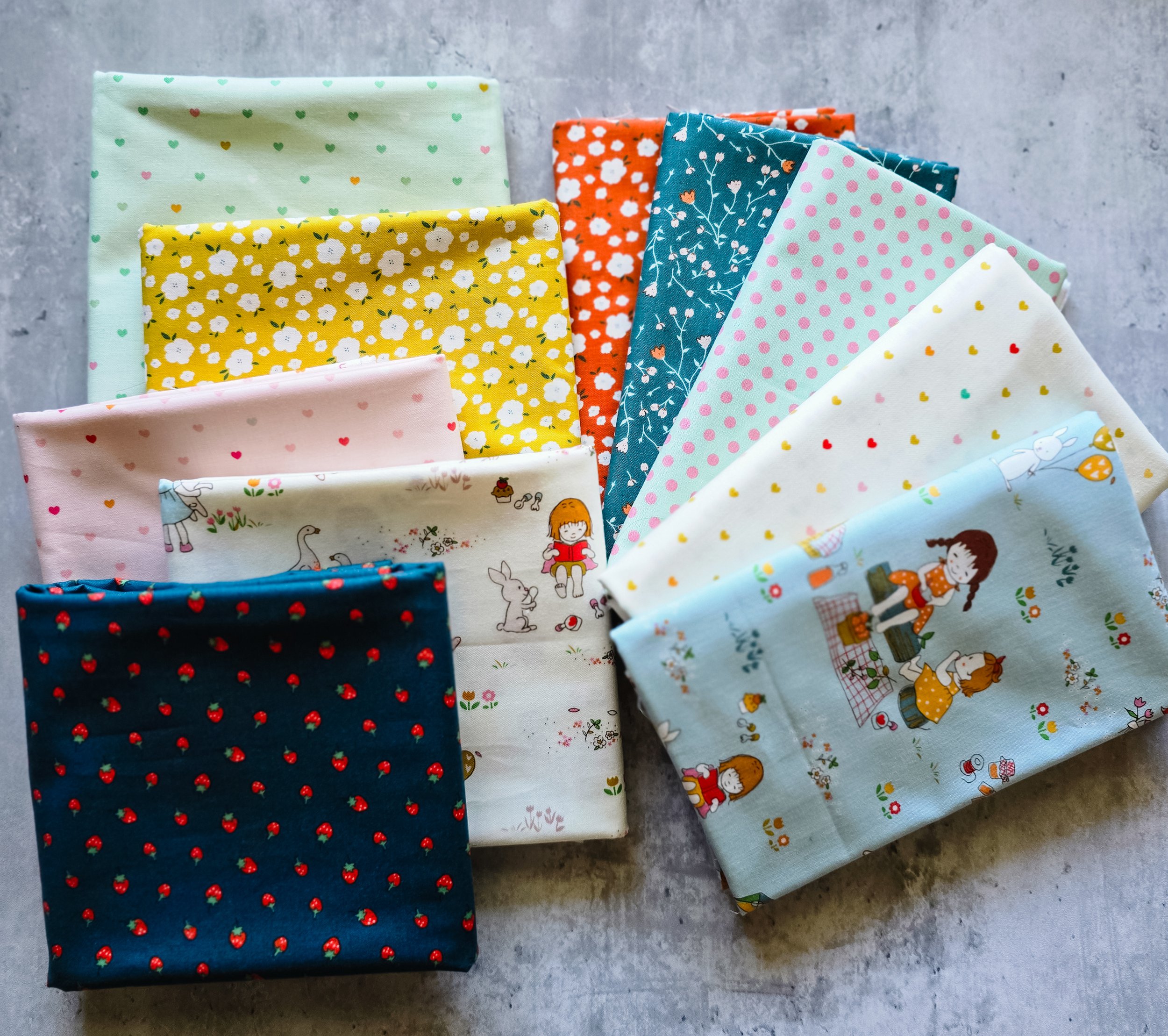
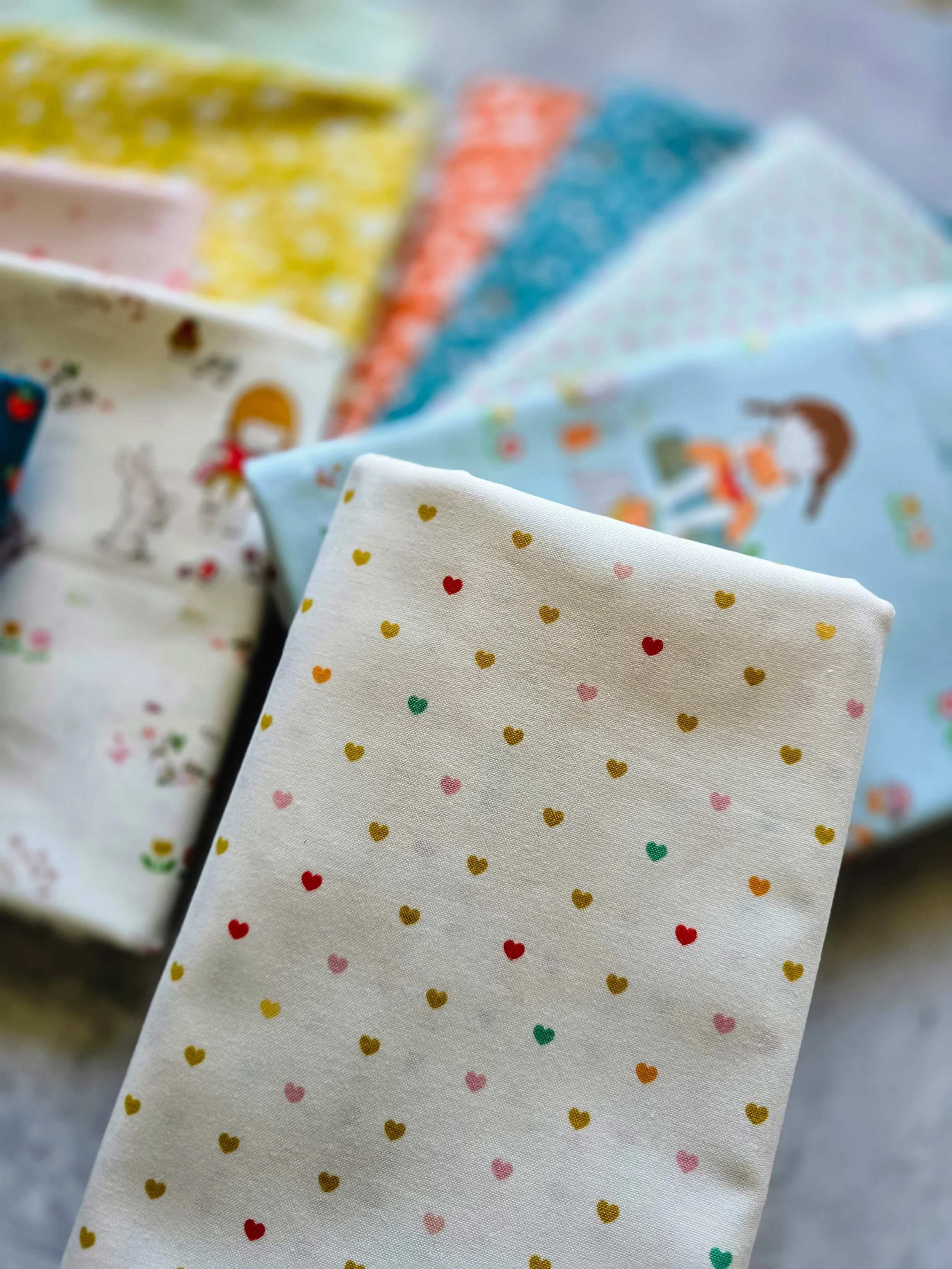
Scaling Down Fade Quilt
For this project, I reduced the overall quilt size to 30.5" x 30.5". This size works well for creating a patchwork dress up to approximately a size 10, depending on the garment pattern used. I used the Isobel Dress by Paper Doll Pattern Co. for this version.
You can increase or reduce the panel size as needed, depending on the garment pattern and the size you’re making. Rather than thinking of this as a quilt top, I treated it as patchwork yardage. Once the panels were finished, everything else flowed much more naturally.
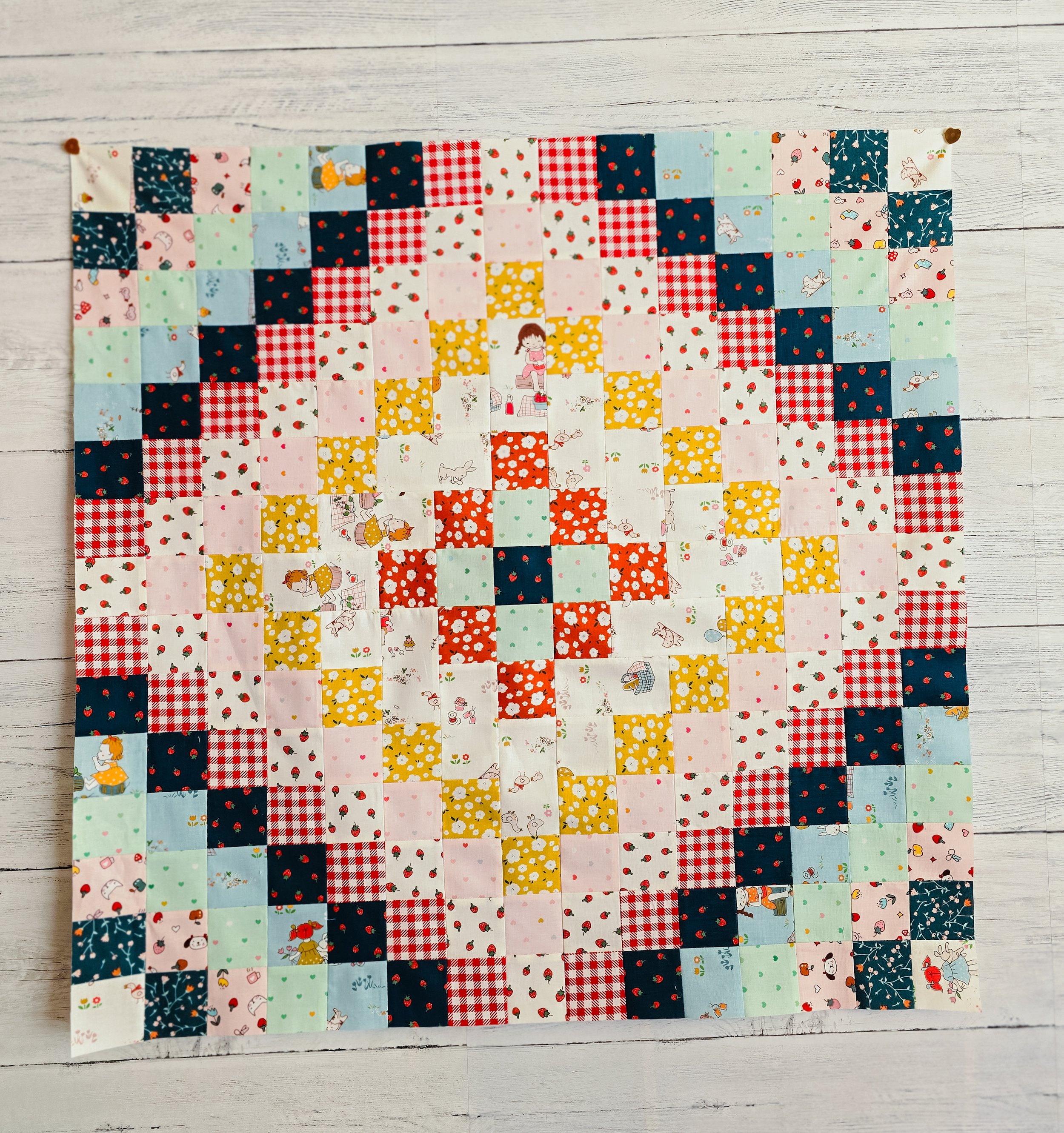
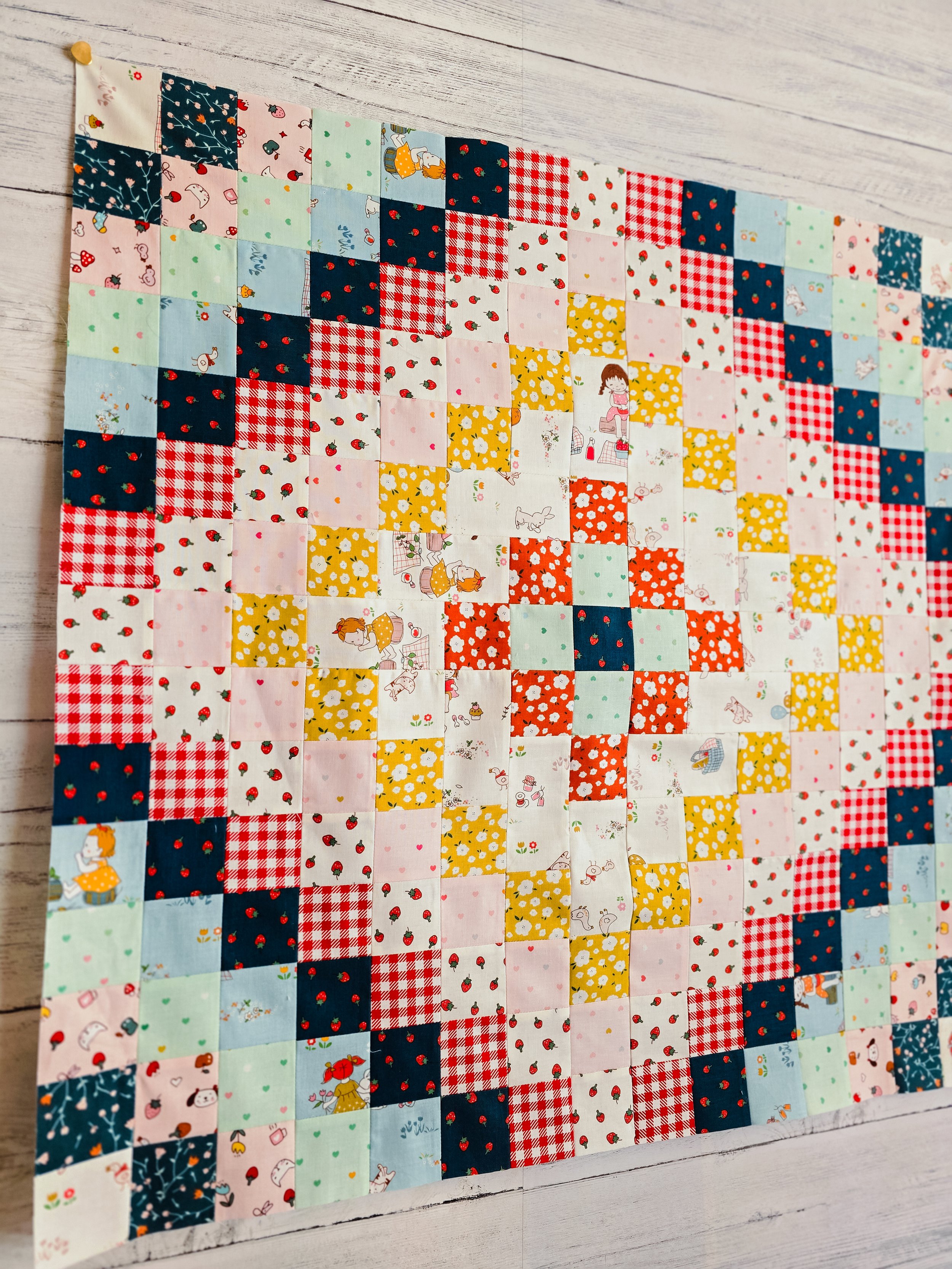
Building the Patchwork Panel
I followed the construction method from the Fade Quilt pattern, just at a smaller scale. Rather than cutting the usual strip sizes to start, I adjusted the cutting slightly for this version. I cut all of the strips at 2.5" x 10.5", with the exception of strip 7B, which I cut at 4.5" x 10.5". This helped keep the proportions balanced while still staying true to the original design. I then sewed my strip sets as usual and subcut them into 2.5" x 14.5" sub-units. Working with strip sets kept the process efficient and helped maintain consistency across the panel.
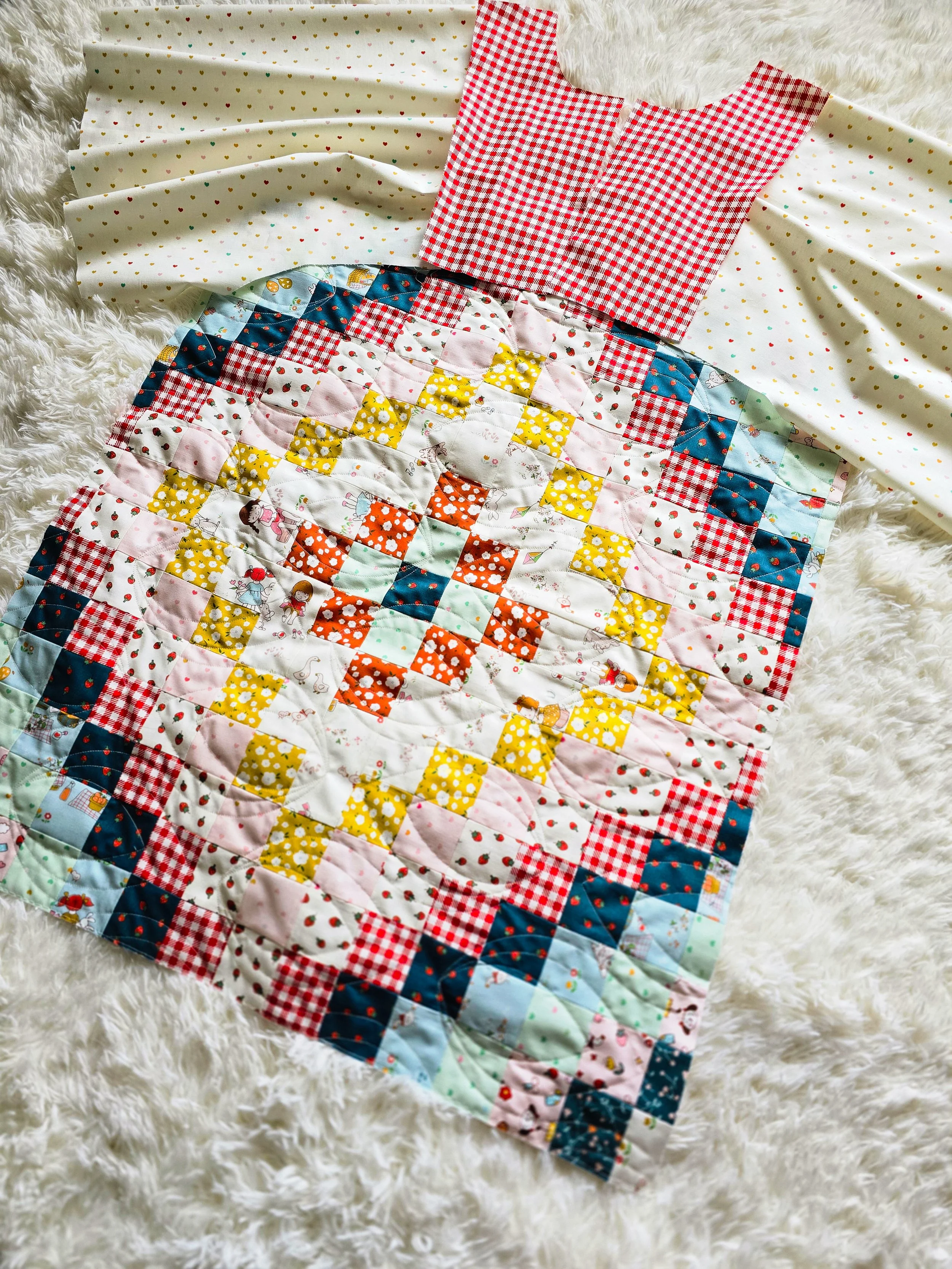
I made two patchwork panels, one for the front and one for the back, and quilted them without batting. Normally, I like to use a lightweight fabric such as muslin as a lining for patchwork garments. Muslin adds a bit of structure without extra bulk and helps the patchwork behave more like regular fabric. Since I didn’t have any on hand for this project, I used quilting cotton instead, which worked just fine.
Once the patchwork panels were finished, I treated them just like fabric yardage and cut the dress pieces from them. I then laid everything out to check the flow before sewing. Seeing the bodice and sleeves alongside the skirt piece helped make sure the fade felt balanced from top to bottom. From there, I sewed the bodice and sleeves and brought the full dress together.
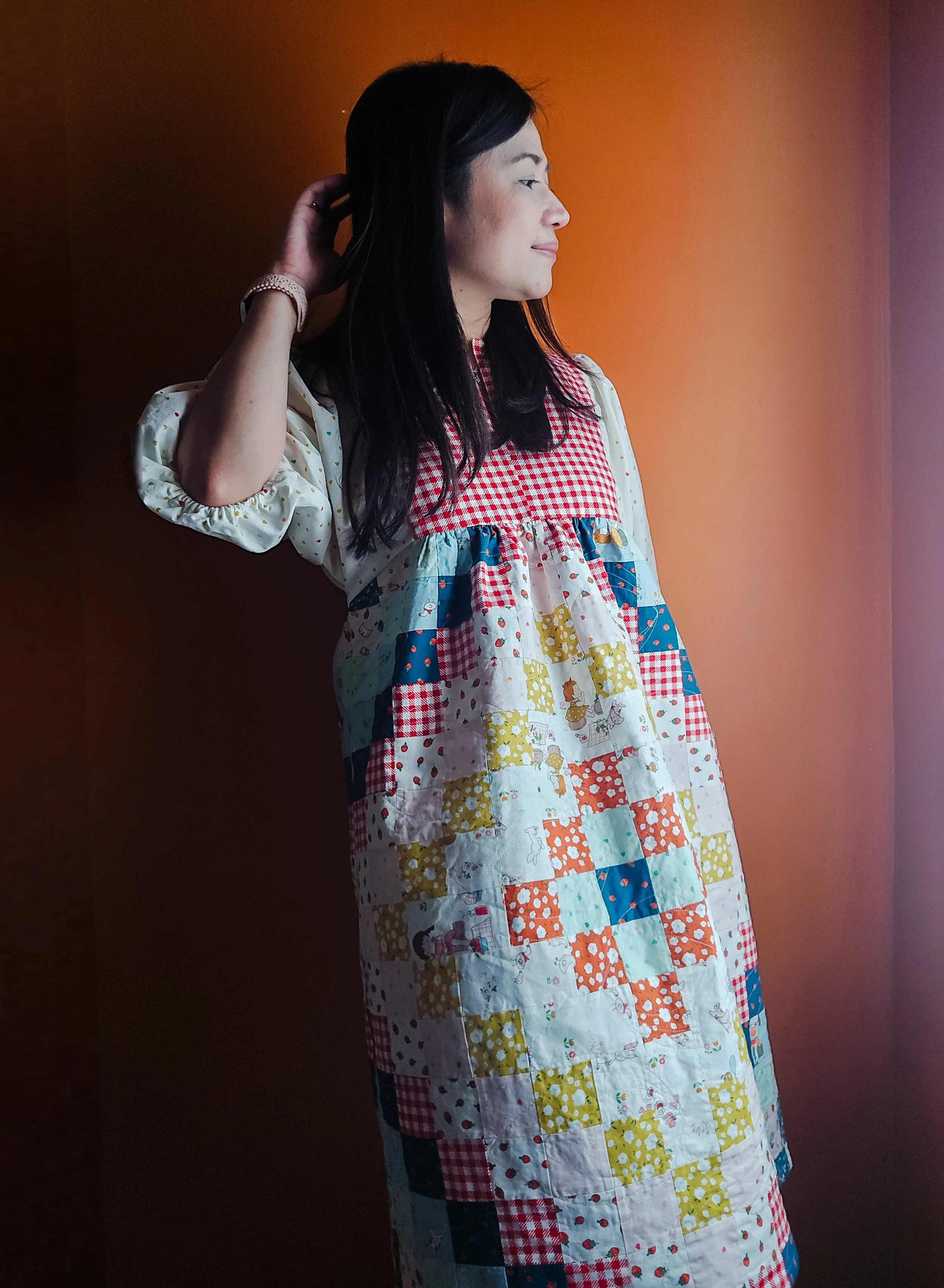
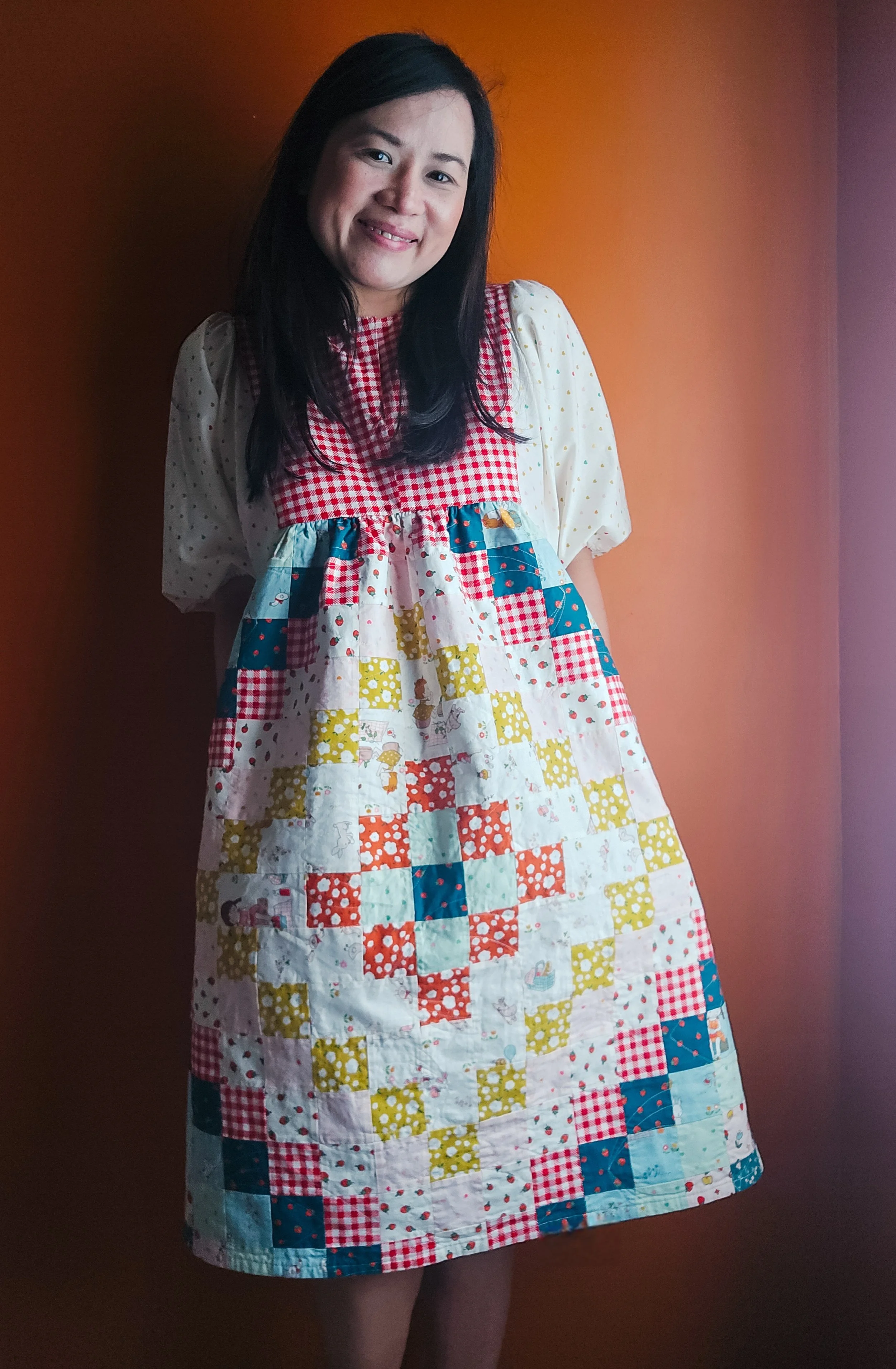
Final Thoughts
Projects like this are a good reminder of how versatile quilt patterns can be. With a little scaling and intention, they can move beyond quilts and into so many other creative spaces. If you are a quilter who has been curious about garment sewing, this is such a fun way to bridge the two worlds. And if you already love sewing clothes, patchwork opens the door to something truly one of a kind.
If you try this with your own Fade Quilt, I would absolutely love to see it.
Happy Sewing!
You might also like…
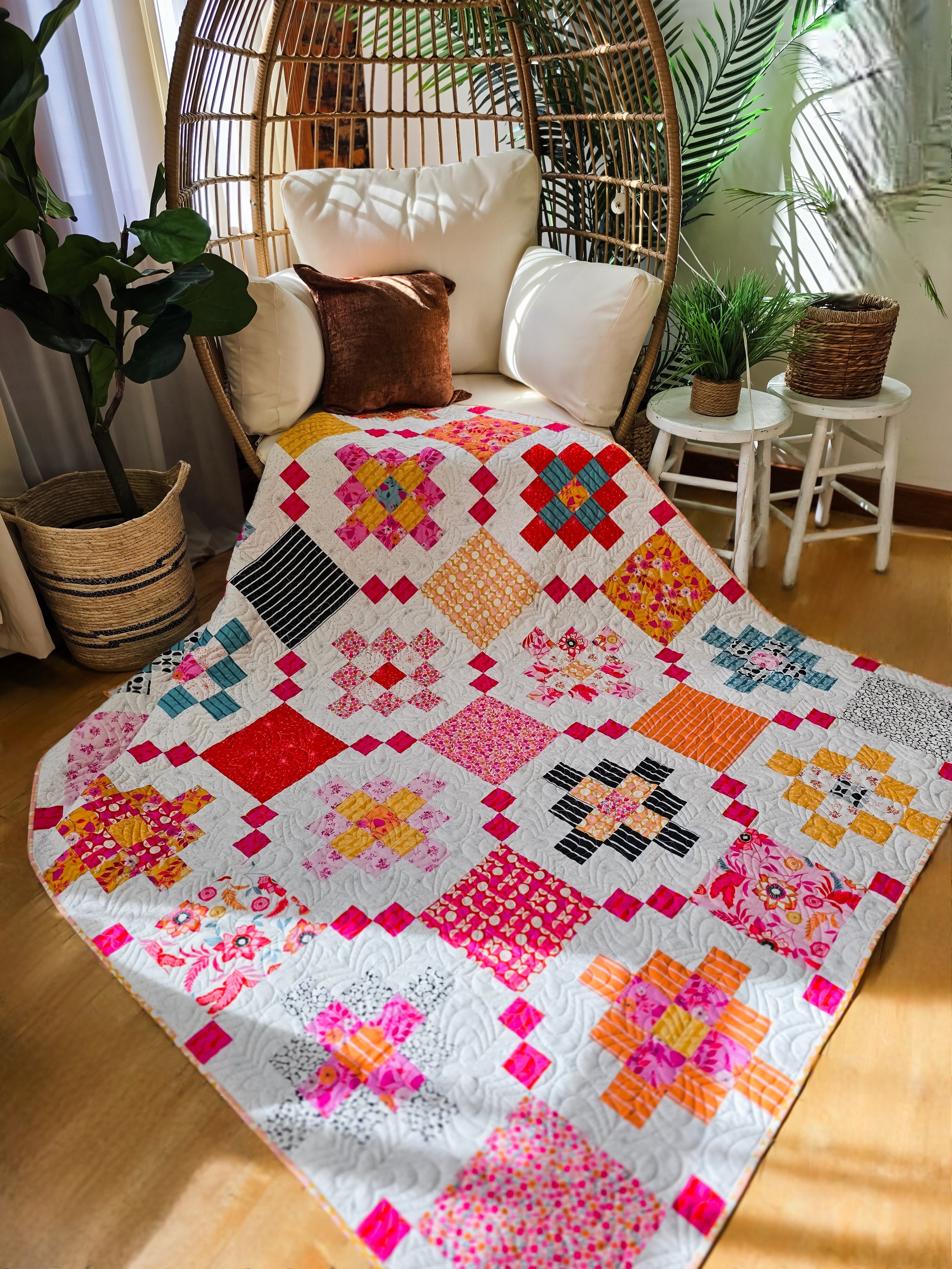
This listing is for PDF Pattern (NO Physical item will be sent).
This Meadow Patch Quilt is perfect for all skill levels looking for a quick make but still get to enjoy patchwork looks.
The pattern comes in 2 versions: Modern using yardage and Scrappy using Layer Cake pre-cut bundle.
Finished size: 62.5" x 75"
Happy Quilting!
What’s happening on the ‘Gram …